
 400 987 6697

登录
岭大科创 | 物理诺奖青睐AI,岭大团队研发新材料AI工具
指南者留学
2024-10-12 17:26:33
阅读量:1311
<p>指南者留学全国统一咨询热线:<a href="tel:4001831832" style="color:#1677ff; text-decoration:none;">400-183-1832</a>,全国各地区、各分公司联系方式均为此号码。</p><section style="text-align: left; justify-content: flex-start; display: flex; flex-flow: row; margin-top: 10px; margin-bottom: 10px;">
<section style="display: inline-block; width: 100%; vertical-align: top; align-self: flex-start; flex: 0 0 auto; background-image: linear-gradient(#a6d2fe 13%, rgba(166, 210, 254, 0) 88%); padding: 20px;">
<section style="justify-content: flex-start; display: flex; flex-flow: row;">
<section style="display: inline-block; vertical-align: middle; width: auto; align-self: center; flex: 100 100 0%; background-color: #ffffff; box-shadow: #81868c 3px 3px 5px 0px; border-radius: 50px; overflow: hidden; padding: 5px 20px; height: auto; margin-left: 10px;">
<section style="text-align: center; color: #1e69ce;">
<p><span style="font-size: 17px;"><strong>MatterGPT引领材料学新方向</strong></span></p>
</section>
</section>
</section>
<section style="text-align: justify;">
<p style="text-wrap: wrap;"> </p>
</section>
<section style="text-align: justify;">
<p style="text-wrap: wrap;"><span style="font-size: 17px;"><strong>今年的诺贝尔奖颁奖典礼上,人工智能在物理学和化学领域的深远影响得到了高度认可。</strong>诺贝尔物理学奖授予了John J. Hopfield和图灵奖得主、AI教父Geoffrey E. Hinton,以表彰他们在利用人工神经网络进行机器学习方面的奠基性贡献;而诺贝尔化学奖的一半颁给了David Baker,表彰他在计算蛋白质设计方面的成就,另一半则由Demis Hassabis和John M. Jumper共享,表彰他们在利用人工智能预测蛋白质结构方面的突破,他们成功预测了几乎所有已知蛋白质的结构。</span></p>
<p style="text-wrap: wrap;"> </p>
<p style="text-wrap: wrap;"><span style="font-size: 17px;"><strong>今年的诺贝尔物理和化学奖都授予了AI领域的先驱,这也意味着人工智能正在成为科技创新和生产力变革的重要驱动力。</strong>正如诺贝尔物理学委员会主席埃伦·穆恩斯所言:“获奖者的研究对各个领域产生了深远的影响。在物理学中,人工神经网络被广泛应用于许多领域,包括开发具有特定性质的新材料。”</span></p>
</section>
<section style="text-align: center; margin-top: 10px; margin-bottom: 10px; line-height: 0;">
<section style="vertical-align: middle; display: inline-block; line-height: 0;"></section>
</section>
<section style="text-align: justify;">
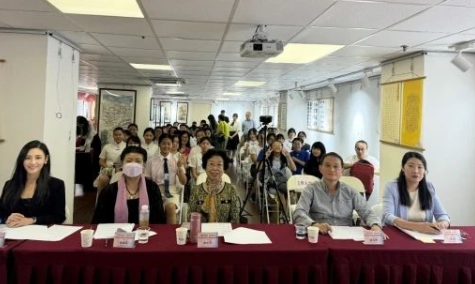
<p style="text-wrap: wrap;"><span style="font-size: 17px;"><strong>岭南大学跨学科学院的肖航教授和陈曦教授团队,多年来也是这一领域的重要领导者之一。</strong></span></p>
</section>
</section>
</section>
<section style="text-align: left; justify-content: flex-start; display: flex; flex-flow: row; margin-top: 10px; margin-bottom: 10px;">
<section style="display: inline-block; width: 100%; vertical-align: top; align-self: flex-start; flex: 0 0 auto; background-color: #f5f8fb;">
<section style="text-align: center; margin-bottom: 20px; line-height: 0;">
<section style="vertical-align: middle; display: inline-block; line-height: 0;"></section>
</section>
<section style="justify-content: flex-start; display: flex; flex-flow: row;">
<section style="display: inline-block; vertical-align: middle; width: auto; align-self: center; flex: 0 0 auto; background-color: #1e69ce; min-width: 5%; height: auto; padding: 3px 20px;">
<section style="text-align: justify; font-size: 18px; color: #ffffff;">
<p style="text-wrap: wrap;"><strong>材料科学重要突破:MatterGPT的诞生</strong></p>
</section>
</section>
<section style="display: inline-block; vertical-align: middle; width: auto; min-width: 5%; flex: 0 0 auto; height: auto; align-self: center; padding-left: 10px;">
<section style="text-align: center; margin-top: 10px; margin-bottom: 10px; line-height: 0;">
<section style="vertical-align: middle; display: inline-block; line-height: 0; width: 35px; height: auto;"></section>
</section>
</section>
</section>
<section style="text-align: justify;">
<p style="text-wrap: wrap;"> </p>
</section>
<section style="text-align: justify; padding-right: 20px; padding-left: 20px;">
<p style="text-wrap: wrap;"><span style="font-size: 17px;"><strong>通过人工智能技术提升科研效率,获得突破性成果,已经成为科技创新的重要趋势。</strong><strong>陈曦教授团队是较早将先进人工智能技术应用于新材料预测的研究团队之一</strong>,先后取得了一系列成果,预测了包括新型二维材料、低温室效应影响材料、催化剂、二氧化碳捕集材料、OLED材料、热电材料、固态电解质和电极等新材料,受到了学界的广泛关注。</span></p>
<p style="text-wrap: wrap;"> </p>
<p style="text-wrap: wrap;"><strong><span style="font-size: 17px;">自2023年加盟岭南大学跨学科学院后,肖航教授和陈曦教授进一步将神经网络机器学习平台拓展为生成式AI平台</span></strong><span style="font-size: 17px;">,同时开发了材料编码和功能材料逆向设计的系列方法,推出了革命性的成果——MatterGPT,一个专门用于设计具有特定性质新材料的大语言模型,以解决固态材料逆向设计中的关键难题。</span></p>
<p style="margin-bottom: 0px; font-size: 16px; text-wrap: wrap; background-color: #f5f8fb;"> </p>
<p style="margin-bottom: 0px; font-size: 16px; text-wrap: wrap; background-color: #f5f8fb;"><strong style="font-size: 17px;">MatterGPT基于大语言模型GPT2,结合团队创新性地提出的“晶体语言”——SLICES(简化线输入晶体编码系统)</strong><span style="font-size: 17px;">,能够在广阔的化学空间中高效搜索并设计出符合特定需求的新材料。</span><span style="font-size: 17px;">SLICES晶体语言是首个可逆且不变的晶体表示法,能够对晶体结构进行编码和解码,捕捉其本质特征,为MatterGPT提供了强有力的支撑。</span><span style="font-size: 17px;">SLICES克服了传统晶体结构表示法的局限,使得MatterGPT能够像AlphaFold2从氨基酸序列预测蛋白质结构一样,从目标性能反推晶体结构,在材料结构-性能空间中精准构建出具有特定性质的新材料。</span></p>
</section>
<section style="transform: perspective(0px); transform-style: flat;">
<section style="text-align: center; margin-top: 20px; line-height: 0; transform: rotateX(180deg) rotateY(180deg);">
<section style="vertical-align: middle; display: inline-block; line-height: 0;"></section>
</section>
</section>
</section>
</section>
<section style="text-align: left; justify-content: flex-start; display: flex; flex-flow: row; margin-top: 10px; margin-bottom: 10px;">
<section style="display: inline-block; width: 100%; vertical-align: top; align-self: flex-start; flex: 0 0 auto; background-color: #f5f8fb; border-left: 5px solid #1e69ce;">
<section style="justify-content: flex-start; display: flex; flex-flow: row;">
<section style="display: inline-block; vertical-align: bottom; width: auto; align-self: flex-end; flex: 100 100 0%; height: auto; padding-left: 10px;">
<section style="margin-bottom: 5px;">
<section style="text-align: justify; font-size: 18px; color: #1e69ce;">
<p style="text-wrap: wrap;"><strong>MatterGPT成果斐然,助力多领域技术</strong></p>
</section>
</section>
</section>
</section>
</section>
</section>
<section style="display: flex; width: 100%; flex-flow: column;">
<section style="z-index: 1;">
<section style="text-align: center; justify-content: center; display: flex; flex-flow: row;">
<section style="display: inline-block; width: 95%; vertical-align: top; align-self: flex-start; flex: 0 0 auto; height: auto; border-left: 1px solid #1e69ce; padding: 20px;">
<section style="text-align: justify;">
<p style="text-wrap: wrap;"><span style="font-size: 17px;"><strong>自今年八月发布以来,MatterGPT作为首个实现新材料多性质逆向设计的开源大语言模型,引起了多个领域学者的广泛关注。</strong>与传统的正向设计方法(如高通量筛选和晶体结构预测)相比,MatterGPT展现出显著优势。它能够精准地生成具有特定带隙和形成能的新材料,大幅提高了新材料设计的精准度和效率。</span></p>
<p style="text-wrap: wrap;"> </p>
<p style="text-wrap: wrap;"><span style="font-size: 17px;"><strong>肖航教授表示:</strong>“我们很荣幸能够为材料科学的人工智能革命做出贡献。John J. Hopfield和Geoffrey E. Hinton在神经网络领域的研究,以及David Baker、Demis Hassabis和John M. Jumper在计算化学方面的成就,激励我们不断推动人工智能在新材料设计中的应用。</span></p>
<p style="text-wrap: wrap;"><span style="font-size: 17px;"><strong> </strong></span></p>
<p style="text-wrap: wrap;"><span style="font-size: 17px;"><strong>陈曦教授表示</strong>:“十一年前,我们刚刚涉足这一领域时,一切还相对空白。几乎每一个底层的计算模块,都是肖航博士知难而上、拼搏不懈搭建而成,十多年的坚持终于结出硕果。对于这一成绩,我要向肖航教授表示敬意和祝贺。我也很高兴看到我们的成果不仅获得了学界的认可,也得到了业界的高度评价。例如,已有公司利用我们的新材料预测平台加速OLED材料研发。在碳中和领域,我们的方法已经被用于加速储能和二氧化碳捕集材料的开发。”</span></p>
</section>
</section>
</section>
</section>
</section>
<section style="text-align: left; justify-content: flex-start; display: flex; flex-flow: row; margin-top: 10px; margin-bottom: 10px;">
<section style="display: inline-block; width: 100%; vertical-align: top; align-self: flex-start; flex: 0 0 auto; background-color: #f5f8fb; border-left: 5px solid #1e69ce;">
<section style="justify-content: flex-start; display: flex; flex-flow: row;">
<section style="display: inline-block; vertical-align: bottom; width: auto; align-self: flex-end; flex: 100 100 0%; height: auto; padding-left: 10px;">
<section style="margin-bottom: 5px;">
<section style="text-align: justify; font-size: 18px; color: #1e69ce;">
<p style="text-wrap: wrap;"><strong>开放科学精神:MatterGPT与SLICES开放源代码</strong></p>
</section>
</section>
</section>
</section>
</section>
</section>
<section style="text-align: center; margin-top: 10px; margin-bottom: 10px; line-height: 0;">
<section style="vertical-align: middle; display: inline-block; line-height: 0;"></section>
</section>
<section style="display: flex; width: 100%; flex-flow: column;">
<section style="z-index: 1;">
<section style="text-align: center; justify-content: center; display: flex; flex-flow: row;">
<section style="display: inline-block; width: 95%; vertical-align: top; align-self: flex-start; flex: 0 0 auto; height: auto; border-left: 1px solid #1e69ce; padding: 20px;">
<section style="text-align: justify;">
<p style="text-wrap: wrap;"><span style="font-size: 17px;"><strong>本着开放科学精神,我们已将MatterGPT和晶体语言SLICES作为开源项目发布。这一举措旨在促进全球协作,加速新材料开发。</strong>借助人工智能的强大助力,这些工具有望在多个关键领域带来突破,包括应对气候变化、实现碳中和、推进航空航天技术、革新能源转换与存储系统,以及推动电子和半导体产业发展。这些正是当前国家战略和产业发展的重点方向。</span></p>
<p style="text-wrap: wrap;"> </p>
<p style="text-wrap: wrap;"><span style="font-size: 17px;"><strong>今年的诺贝尔奖再次彰显了人工智能的变革力,而在材料科学领域,MatterGPT正是这场革命的先锋之一。</strong>肖航和陈曦两位教授阐述了他们的愿景:"我们正在构建一个从晶体语言到材料大模型,再到新型功能材料定向设计的完整创新链。我们正在打造一个开放协作的AI材料科学生态系统。通过开源SLICES和MatterGPT平台,我们邀请全球科学家共同使用和完善这些工具,加速功能材料的创新与发展。</span></p>
</section>
</section>
</section>
</section>
</section>
预约咨询
预约咨询


App下载
 下载指南者留学App
公众号
 扫一扫立即关注
微信咨询
 扫一扫立即咨询
预约咨询
电话咨询
400-987-6697
回到顶部
预约咨询


登录
二维码已过期
重新获取
已扫码
等待确认登录
请使用微信扫描二维码登录